 Our School
 Staff
StaffTRAINING COMMERCIAL DIVERS SINCE 1968
train FOR THE TOUGHEST JOBS UNDERWATER.
DIT prepares qualified candidates for commercial diving careers through 900 hours of real-world open-water training in Seattle, 13 certifications, and direct career support into inland, offshore, and specialized diving.
91%
Graduation rate
June 2023-May 2024
90%
Job placement rate
Available graduates, same period
#29
National 10-year ROI
Among 4,600 institutions
165 ft
Training depth
Real open-water conditions
13
Core certifications
Included in the program
1968
Training divers since
Veteran-owned and operated
Graduation and placement figures reflect DIT’s published June 2023-May 2024 reporting period. ROI ranking and certification eligibility depend on the cited source and individual requirements. 10-year ROI source (PDF) ↗
This is diving country
Commercial divers work in real water.
That’s where we train.
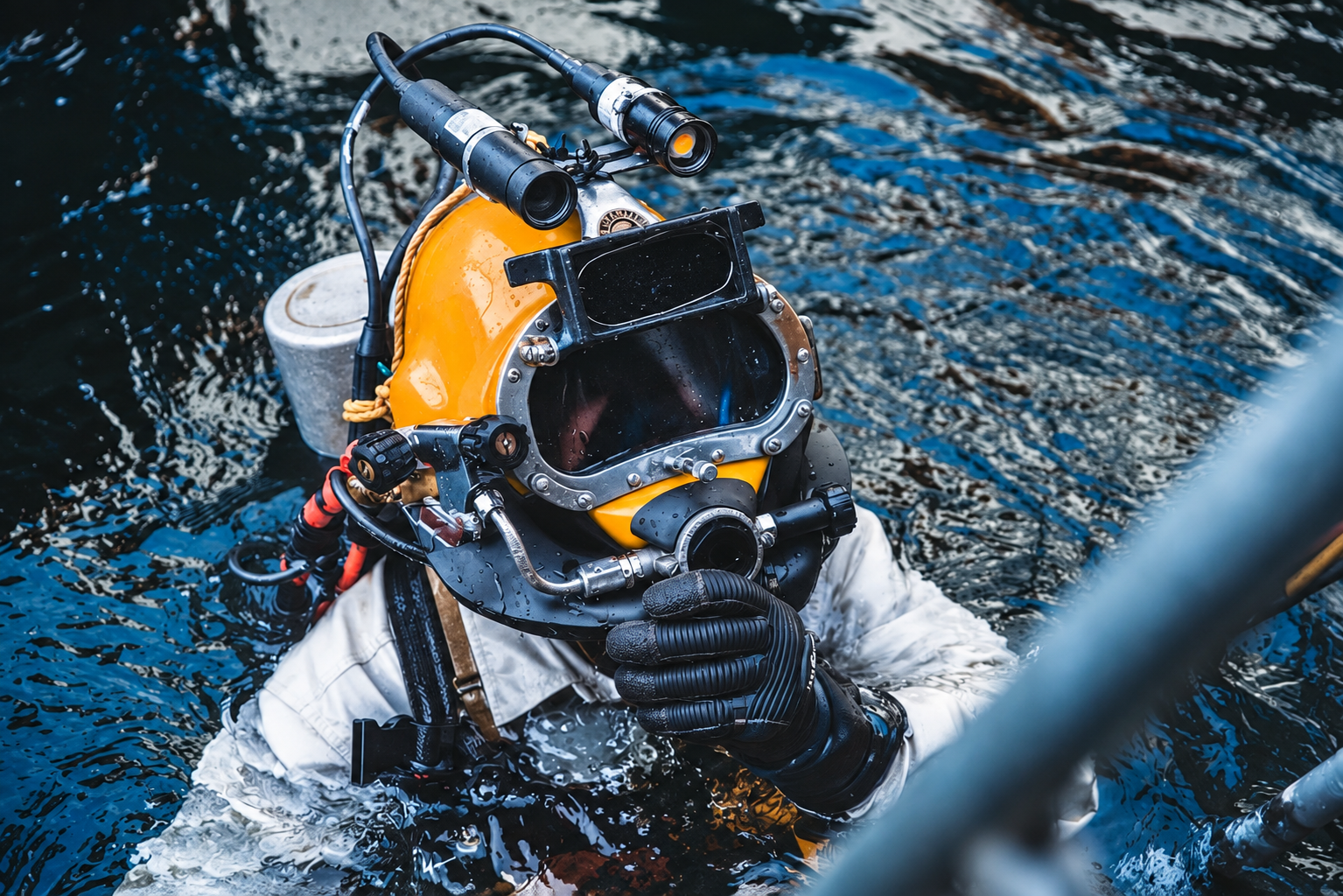
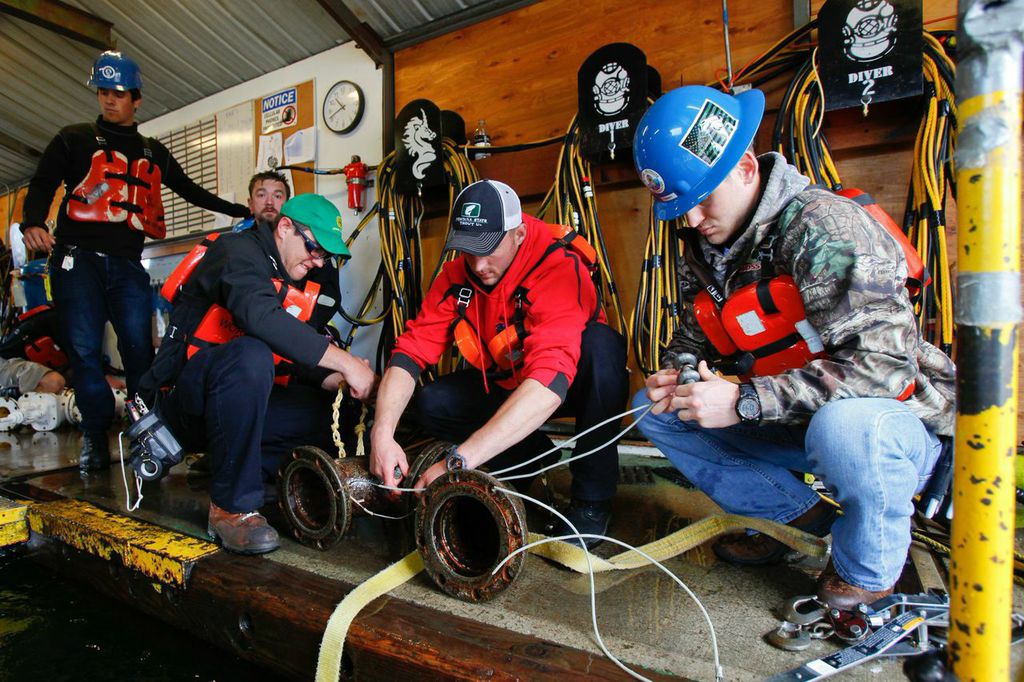
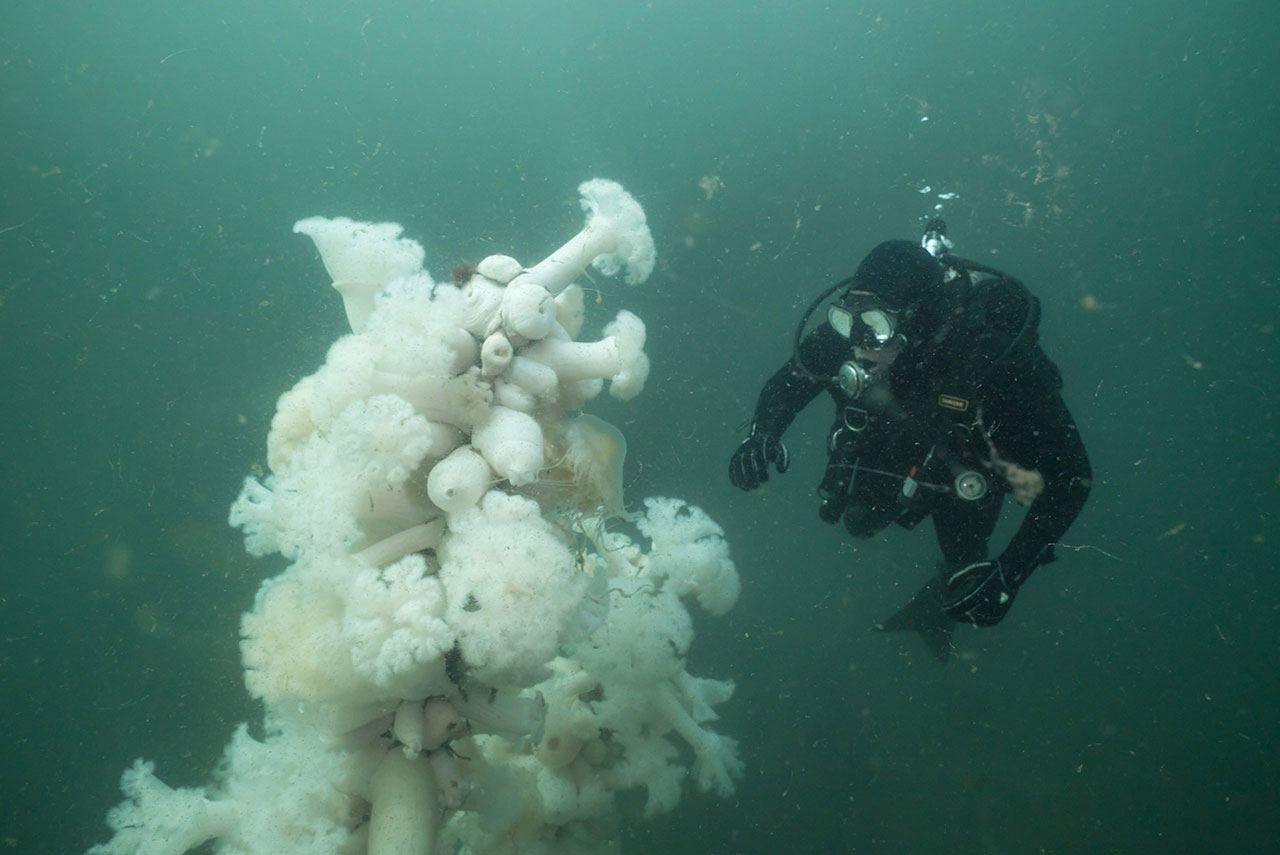
Cold water. Limited visibility. Weather. Equipment. Communication. Teamwork. Lake Union is not a controlled environment you can fully reproduce in a shallow tank.
At DIT, you learn to manage the work, your equipment, your team, and yourself when conditions are not perfect. The training is demanding because the job is demanding.
- Open-water training in Seattle’s Lake Union
- Floating barges, the M/V Response, and 165-foot depth
- Real equipment, real crew roles, real working conditions


One complete skill set
What seven months at DIT looks like.
Surface-supplied diving
Work with helmets, breathing equipment, communications, and tender roles.
Work with helmets, breathing equipment, communications, and tender roles.
Underwater welding, cutting & burning
Build topside technique, then learn what changes when the work goes wet.
Build topside technique, then learn what changes when the work goes wet.
Rigging, hydraulics & tools
Use tools and lifting systems as part of a coordinated dive team.
Use tools and lifting systems as part of a coordinated dive team.
Salvage & inspection
Survey, plan, communicate, and execute work around submerged structures and vessels.
Survey, plan, communicate, and execute work around submerged structures and vessels.
Physics, medicine & decompression
Understand the science and procedures that keep divers working safely.
Understand the science and procedures that keep divers working safely.
Chambers, safety & emergency procedure
Build the habits, judgment, and accountability expected on a professional crew.
Build the habits, judgment, and accountability expected on a professional crew.




Before you choose a dive school
Ask the questions that matter.
Compare the things that change your training, your cost, and your first job.
Ask every school
What DIT says
Why it matters
Where does the bulk of surface-supplied training happen?
Open water in the Pacific Northwest, including Lake Union.
Training should resemble the environment you will work in.
How deep will I train?
Up to 165 feet.
Depth changes equipment, procedures, and decompression planning.
What credentials can qualifying graduates earn?
DCBC unrestricted surface-supplied diver certification, ADCI Entry Level Tender/Diver endorsement, and more.
Ask who issues each credential and what qualifies you to receive it.
How long is the core program?
900 hours, approximately seven months.
Compare total hours and the actual mix of classroom, shop, and water time.
What are recent outcomes?
91% graduation and 90% job placement for the published reporting period.
Look for the denominator, date, and definition behind every percentage.
Use these questions when you speak with any school: Where do students train? How much time is spent in real water? What equipment and certifications are included? What does the full cost include? What happens after graduation?
Seven months is a commitment.
The return matters.
Career training has to make a serious candidate understand the work, the cost, the tradeoffs, and the economic possibility. DIT’s published proof is part of that decision.
$458K
10-year ROI
2025 Georgetown University Center on Education and the Workforce 10-year ROI estimate.
#1
Among Washington institutions
Highest-ranked Washington institution in the cited 10-year ROI analysis.
#29
Nationally
Ranked 29th among nearly 4,600 institutions in the cited analysis.
#18
Among certificate institutions
Ranked 18th among certificate institutions in the same analysis.
Source: Return on investment (ROI) at for-profit colleges (PDF) ↗
ROI figures reflect the cited report’s methodology and are not a guarantee of individual outcomes.
Career possibility
Graduation is the start.
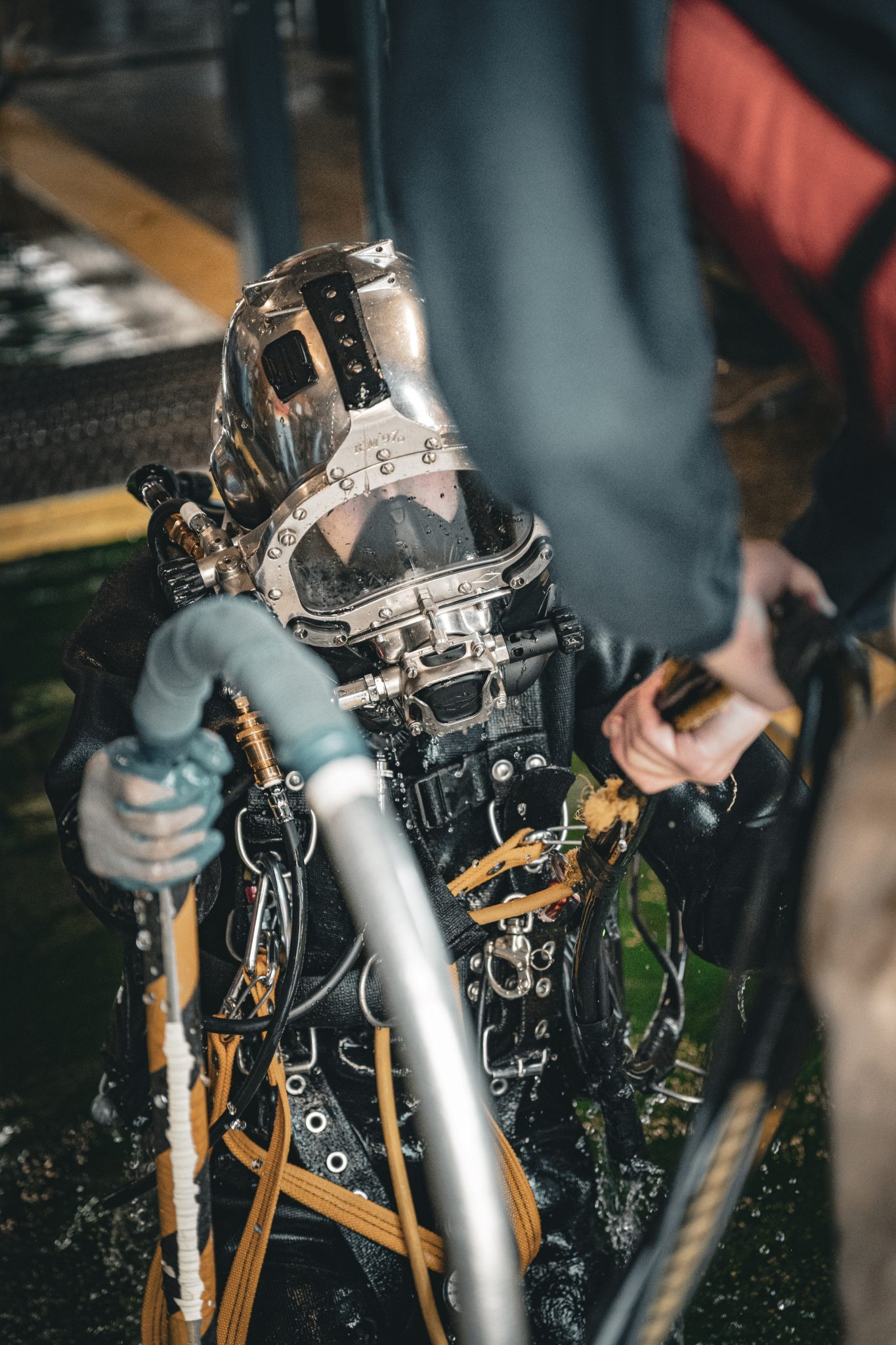
Commercial diving can lead into different environments and specialties as experience grows. The first step is learning how the work connects.
Offshore
Subsea construction, maintenance, welding, and burning in offshore environments.
Inland construction
Bridges, dams, piers, vessels, and other infrastructure in inland water.
Inspection / NDT
Inspection, testing, documentation, and specialized technical work.
Salvage
Survey, rigging, lifting, and recovery work around submerged assets.
Underwater construction
Use diving and tool skills on structures, repair, and marine projects.
Hazmat
Build a foundation for controlled, procedure-led work in difficult conditions.
Marine infrastructure
Contribute to the ports, vessels, utilities, and systems people depend on.
Advanced pathways
Keep learning toward advanced or saturation pathways as your experience grows.
Instructors and culture
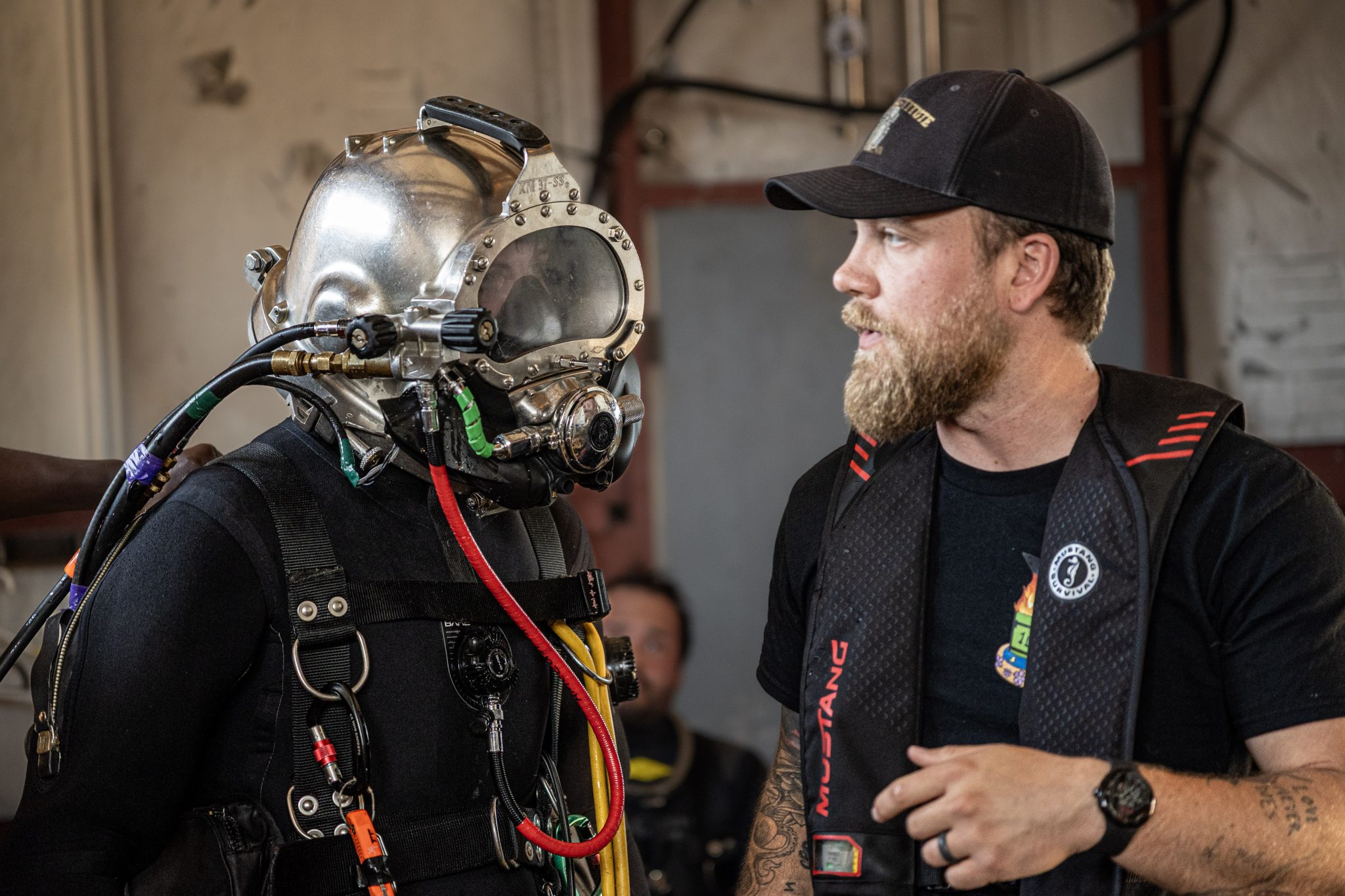
Learn from people who have done the work.
Industry-experienced instructors. Direct feedback. Team accountability. Safety before ego.
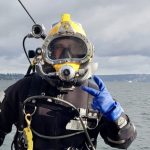
“THE CLASS YOU ARE IN WILL DEFINITELY BECOME YOUR FAMILY.”
– TYLER SUTHERLAND

Military & Veterans
Same discipline.
New mission.
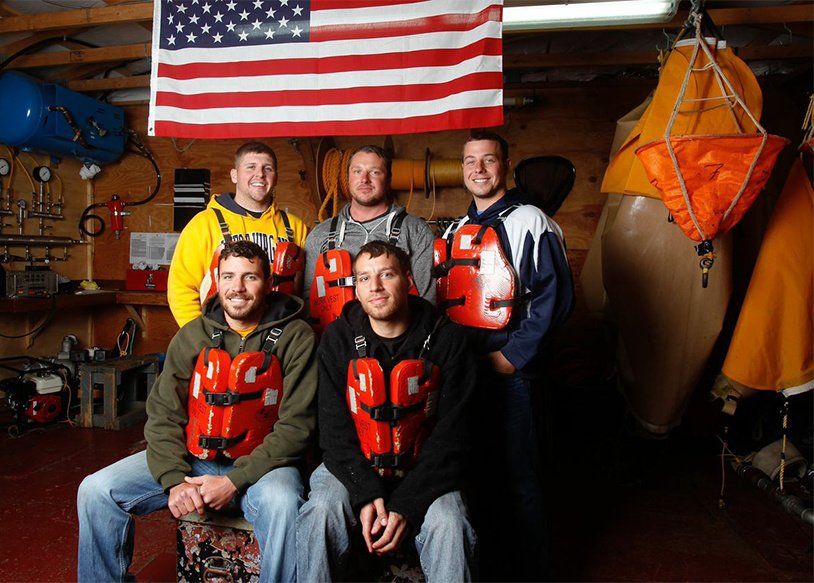
Ready for your next mission?
Since 1968, DIT has maintained a strong veteran connection. Military experience transfers naturally here: procedure, accountability, teamwork, and mission focus.
Explore veteran education benefits ↗
Funding
Know the investment before you commit.
Tuition is only part of the decision. Gear, physical preparation, housing, transportation, and living costs matter too. DIT’s admissions and financial-aid teams can help you build a serious plan.
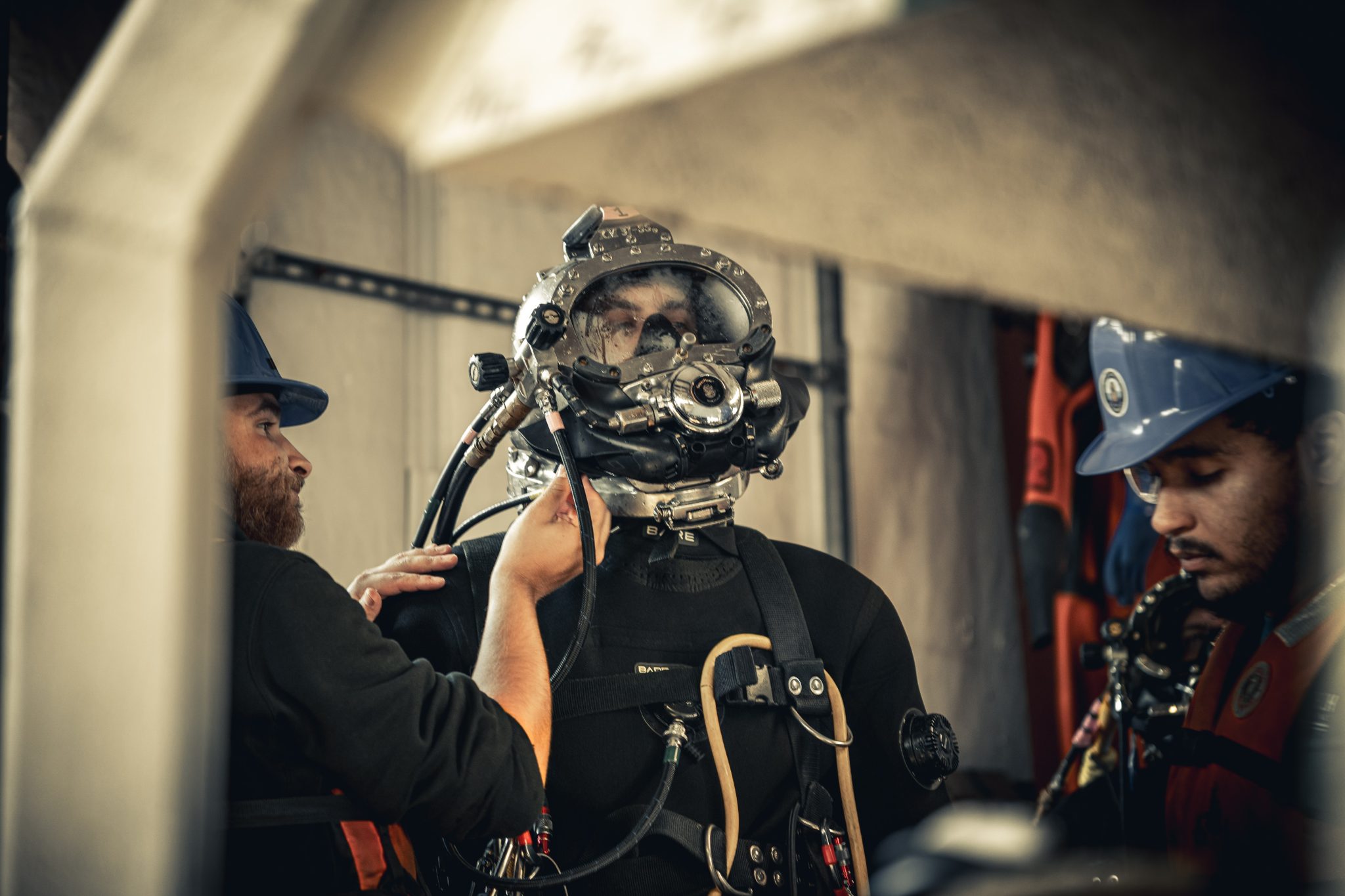
The next move is yours
BUILD A CAREER UNDERWATER.
-
You won’t be training for a desk job.
This is seven months of hands-on training for an underwater career.
Built for people who show up ready to work.
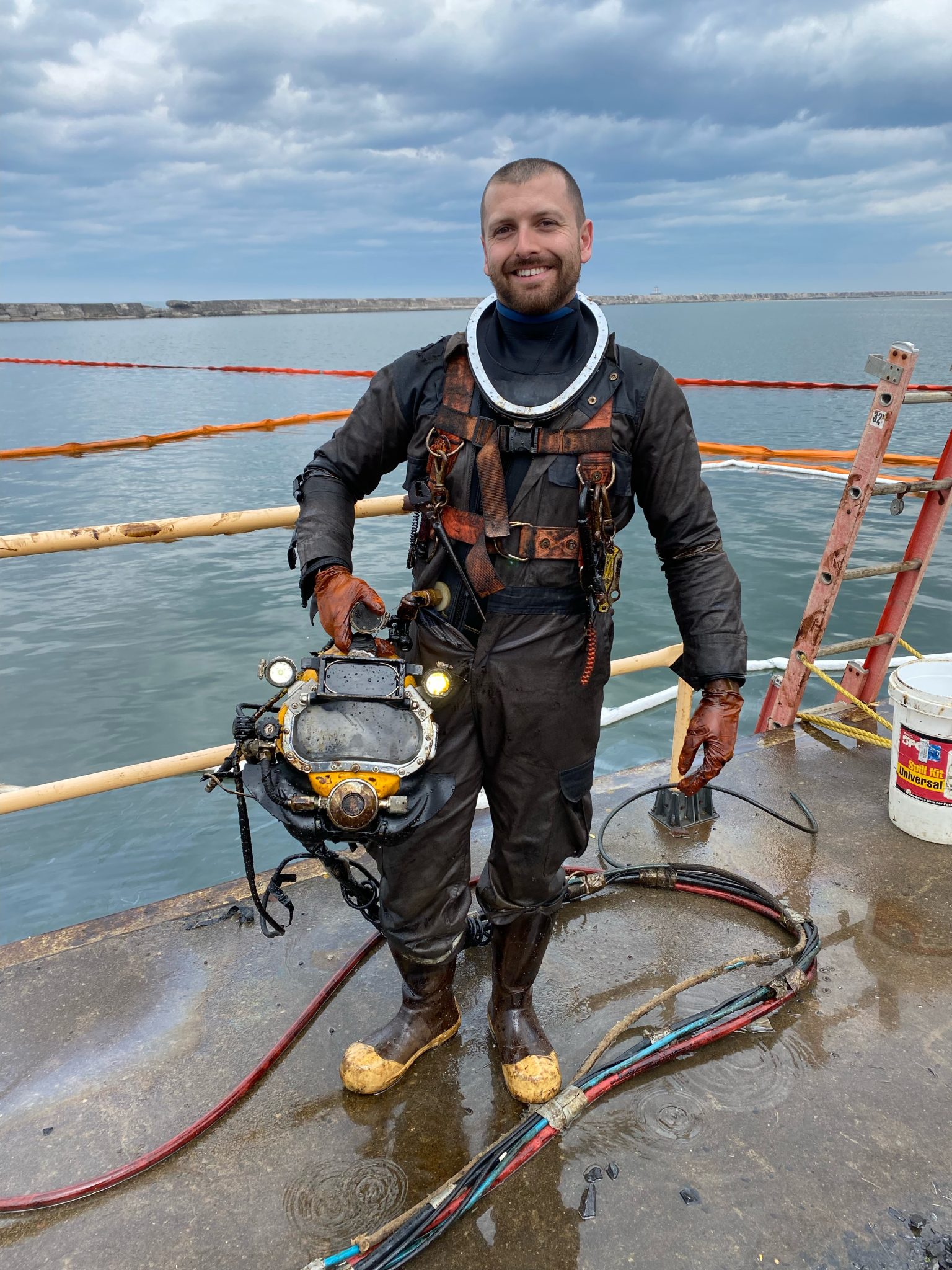
“Since graduating, everything has changed.”
This career excites me every day and gives me a sense of pride in doing work that few people can do. Because of this career, I’ve been able to buy a house, own a truck, get married, start a family, and earn a six-figure income doing work I genuinely love. I’m not stuck behind a desk, and no two days are the same. I work with my hands, solve problems in challenging environments, and take pride in knowing I’ve earned everything through skill and hard work.
— Kevin Shrag, DIT Class 112-14

“Definitely would do it all over again.”
Going to dive school at DIT has allowed me to do things and meet people I would’ve never met otherwise. Definitely would do it all over again.
— Alex Marant, DIT Class 111-23

A title
Image Box text
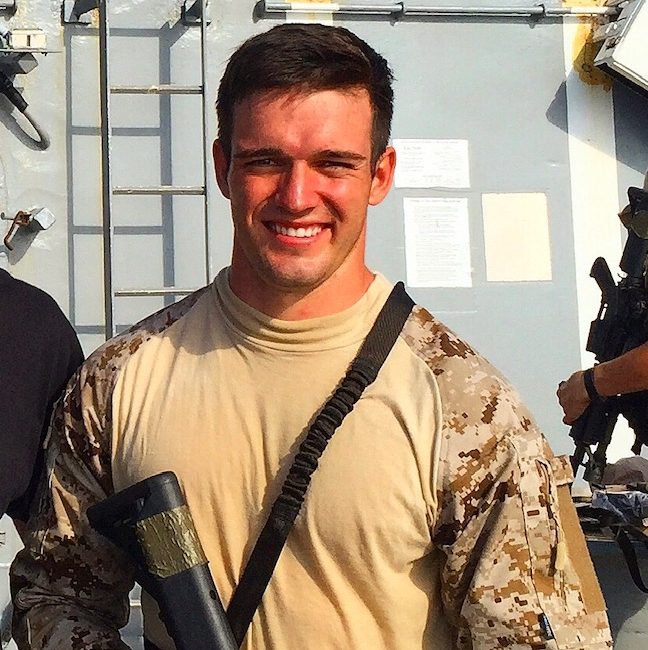
“The class you are in will definitely become your new family.”
Going to DIT was the best choice I have made after getting out of the military. The brother hood from my the military experience almost all carried over to the atmosphere at DIT. The class you are in will definitely become your new family. The staff and instructors care so much about the students and make sure we graduate knowing the basics to make it out in the diving industry. I have also met some life long friends attending DIT.
—Tyler Sutherland, DIT Class 102-18
A title
Image Box text
“Other vets are here, the school is structured with a military flow of things.”
You get a grasp on how to work under pressure and to walk on bottom. Other schools train in pools. DIT places you out there. You can expose your weakness and work on them at DIT.
— Skyler Bentley | DIT Class 108-19 | Navy Veteran

A title
Image Box text
“I feel like DIT did a great job preparing me for the industry!”
I’ve met divers who are graduates from other dive schools and in just talking to them, I feel confident DIT provided a more solid program, giving me all the tools and knowledge to succeed in this profession.
 Online Payment